First-time bidders lose money on diamond rings at auction for one reason: they bid on the story, not the lot description. This guide breaks down what actually matters when you're new to diamond ring auctions for beginners, and which types of lots are worth your first bid.
- GIA or AGS-certified solitaire lots are the safest entry point for diamond ring auctions for beginners in 2026.
- Buyer's premiums typically add 15-25% on top of the hammer price — factor that in before you set a max bid.
- Uncertified rings marketed only with an 'appraisal' and no independent lab report: Skip.
- Estate cluster rings with old mine or European cut stones offer real value but need a condition check first.
- Designer pre-owned rings hold resale interest but the stone itself is rarely separately graded — bid with that gap priced in.
Why this matters
Auction listings read like retail copy, but the incentives are different. A retail jeweler prices to move inventory and stands behind the sale; an auction house is a marketplace connecting a seller and a buyer, and the fine print on certification, condition, and returns does the real work. If you skip that fine print in 2026, you're not buying a diamond ring — you're buying whatever the seller decided to disclose.
The good news: the criteria that protect you are the same five or six things, every time, regardless of the specific lot. Learn those once and every future diamond ring auction gets easier to read.
Who this is for
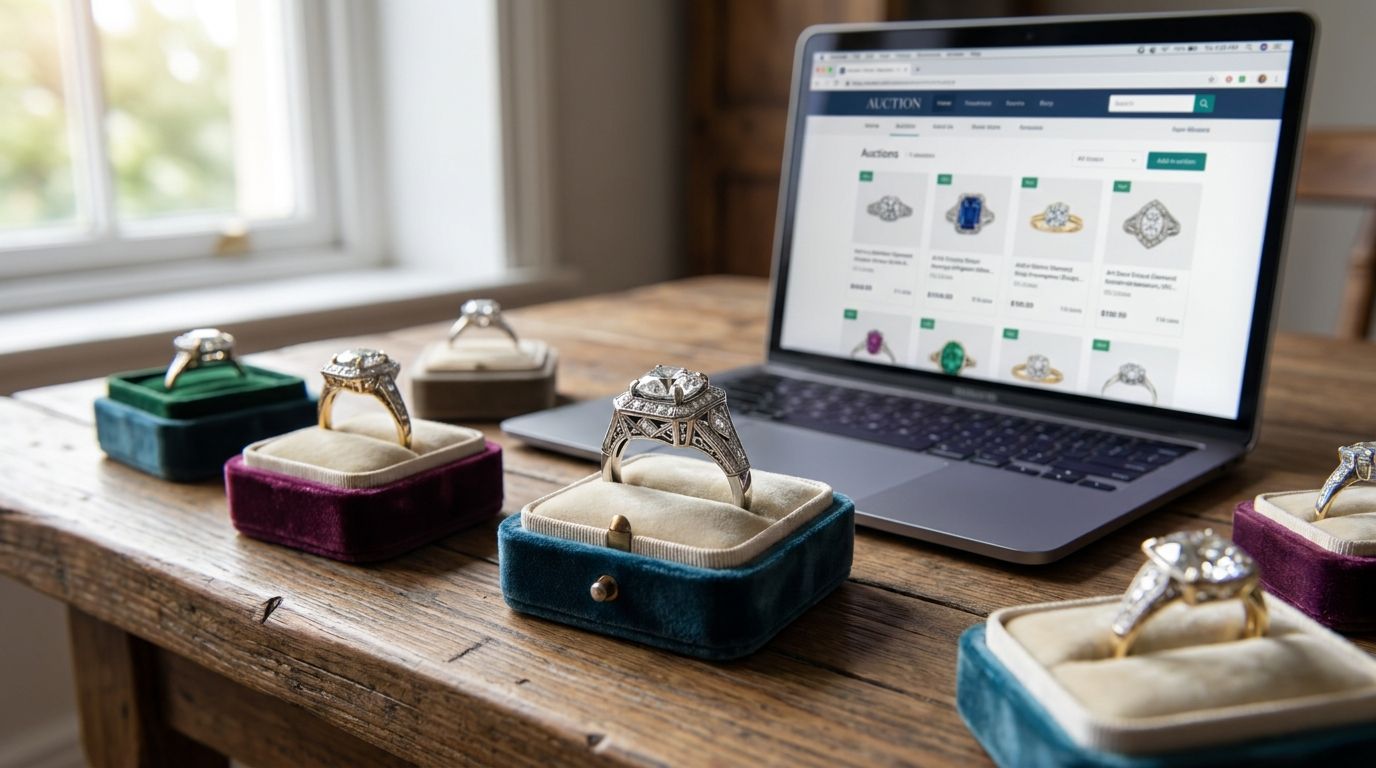
This guide is for someone who has never placed a bid on fine jewelry and wants a diamond ring — an engagement ring, an upgrade, or a gift — without overpaying or ending up with an undisclosed problem stone. If you've bought jewelry retail before but never at auction, the vocabulary shift (hammer price, buyer's premium, reserve, provenance) is the main hurdle, not the bidding mechanics. Browsing live and upcoming lots on Jewelryroom.com before you register gives you a feel for how listings are described before real money is on the line.
What to look for in diamond ring auctions for beginners
Independent lab certification
A diamond ring lot with a GIA or AGS report number is verifiable — you can look up the stone's grading independently of the seller's description. Without that report, "certified" on a listing means nothing enforceable; it's a claim, not a document. For a first auction purchase, treat lab certification as non-negotiable, not a nice-to-have.
Buyer's premium and total cost
The hammer price is not the final price. Auction houses commonly add a buyer's premium in the 15-25% range on top of the winning bid, and that premium is standard industry practice, not a hidden fee — but beginners forget to budget for it. Set your real max bid at hammer price plus premium, not hammer price alone, or you'll win a lot you can't actually afford.
Condition disclosure and repair history
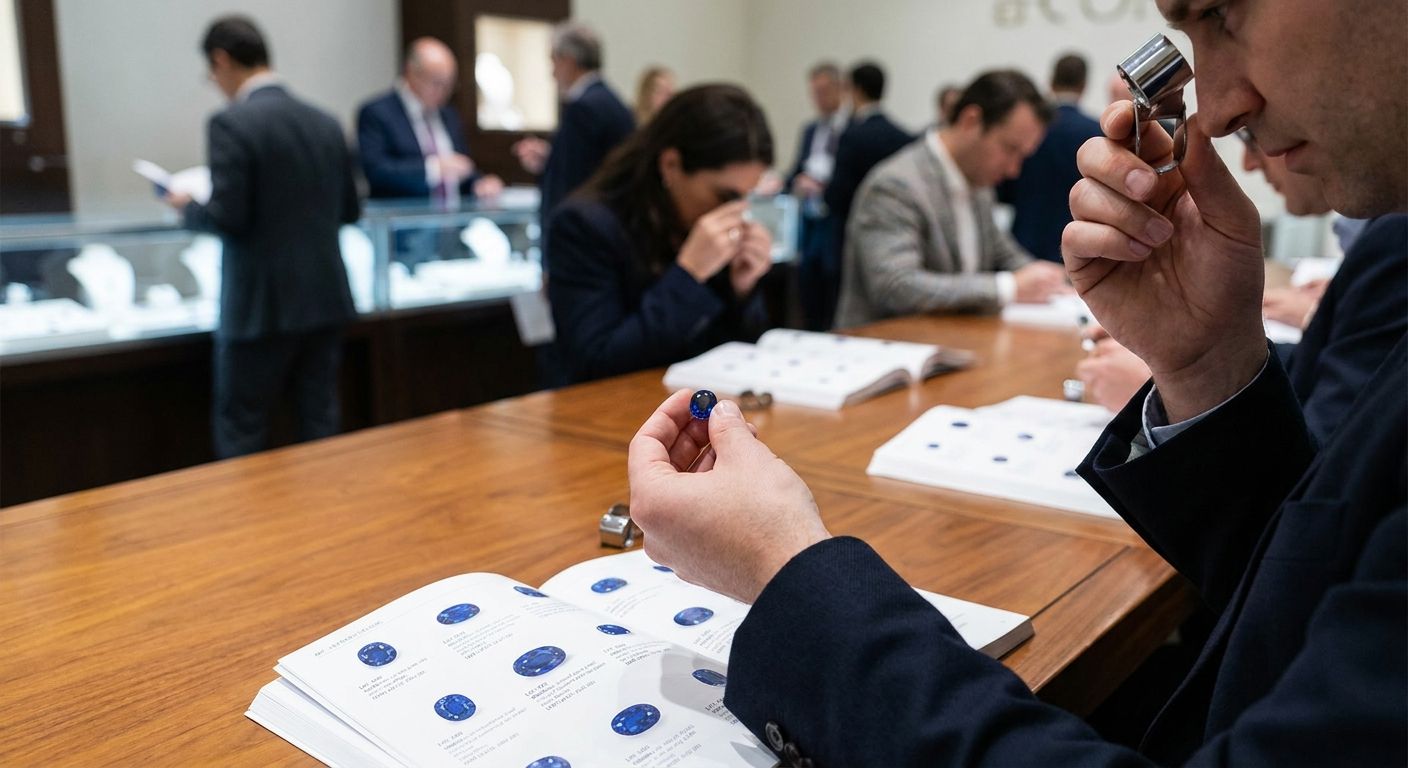
Estate and vintage rings carry wear: prong repairs, resizing, replaced stones. A listing that discloses this in detail is more trustworthy than one that says only "pre-owned, good condition." Ask for close-up photos of the setting and prong tips before you bid if the listing doesn't already include them.
Reserve vs. no-reserve lots
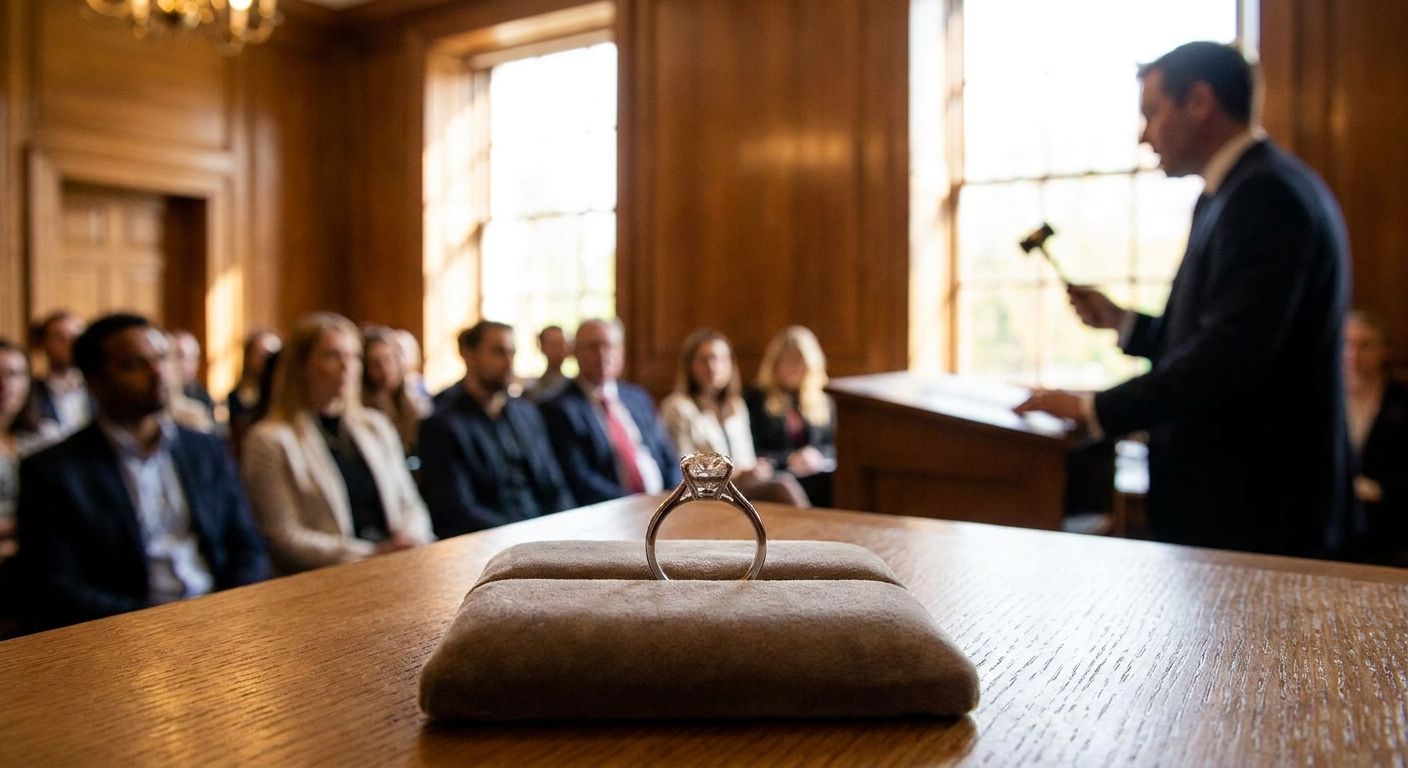
A reserve lot has a minimum price the seller will accept, which the auction house won't reveal; a no-reserve lot sells to the highest bidder regardless of price. No-reserve lots are more predictable for beginners because there's no risk of bidding up a ring that still won't sell. Reserve lots can offer better stones but carry more uncertainty about what it actually takes to win.
Return window and post-sale recourse
Know what happens if the ring doesn't match its description before you bid, not after. A defined return or dispute window is a meaningful signal that the auction platform stands behind its listings, and it's worth reading in full rather than assuming it works like a retail return.
Ring sizing and resizing history
A ring that's already been resized multiple times may have a thinner shank or weakened prongs, which matters more for daily-wear engagement rings than for occasional-wear pieces. Ask about sizing history on any ring you plan to resize again after winning it.
Learn how auction bidding actually works
Step-by-step bidding tips before you place your first bid in 2026.
Top picks for first-time bidders
The safe pick: GIA-certified round brilliant solitaire lots
A round brilliant solitaire with a GIA or AGS report is the most standardized lot type in diamond ring auctions — cut, color, and clarity are graded on a fixed scale, so you're comparing apples to apples across listings. The report number lets you cross-check the grading independently before you ever place a bid. Verdict: Buy.
The value pick: estate cluster rings with old mine or European cut stones
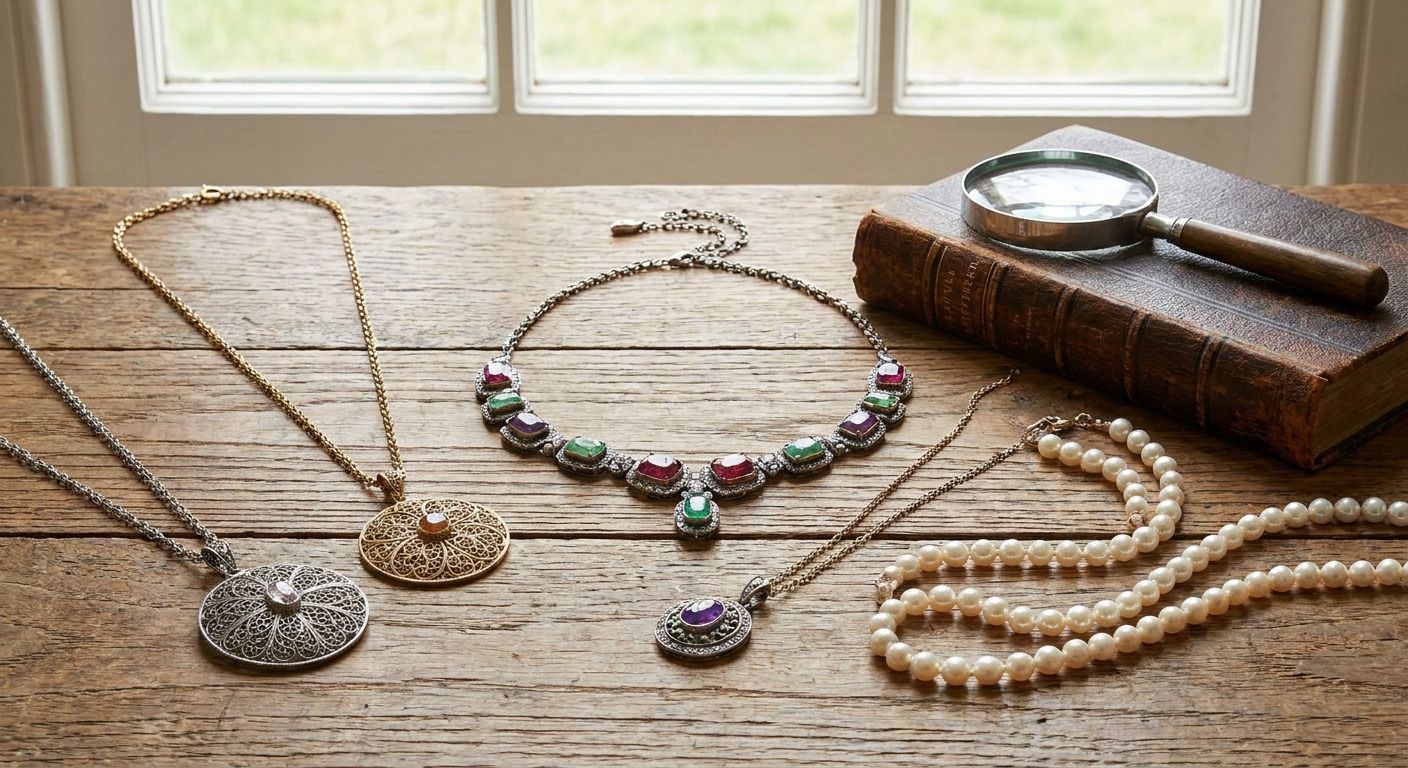
Old mine and European cuts predate modern round brilliant standards and often carry smaller tables and higher crowns, which some retail appraisers price down relative to modern cuts even though the craftsmanship and history add real value. These lots reward buyers who research the cut style before bidding rather than judging sparkle against a modern stone. Condition-check the setting first. Verdict: Consider.
The wildcard: signed designer pre-owned rings
A pre-owned ring from a recognized design house carries resale and collector interest independent of the diamond itself, but the center stone is frequently not separately lab-graded in the listing. You're paying partly for the maker's mark, which is a legitimate reason to bid — as long as you know that's what you're doing. Verdict: Consider.
The one to skip: uncertified "appraisal only" listings
A listing that offers a third-party appraisal in place of an independent GIA or AGS lab report is asking you to trust a document with no standardized grading scale behind it. Appraisals value what's described; they don't verify it the way a lab report does. For a first-time bidder with no way to independently confirm the stone, this is the lot type most likely to disappoint. Verdict: Skip.
What to avoid
- "Enhanced" or "treated" stones listed without the treatment named. Clarity enhancement and color treatment are legitimate disclosures under industry grading standards, but the listing should name the specific treatment, not bury it in a footnote.
- Rings priced well under comparable certified lots with no explanation. A price gap that large usually means the certification, condition, or carat weight isn't what the headline claims — read the full listing before you assume you found a deal.
- Sellers who won't answer a direct question about return policy or condition. If you can't get a straight answer before bidding, you won't get one after you win. The auction bidding guide covers how to vet a listing before you commit to a bid.
Verdict comparison
| Lot type | Certification | Condition risk | Resale volatility | Verdict |
|---|---|---|---|---|
| GIA/AGS-certified solitaire | Independent lab report | Low | Low | Buy |
| Estate cluster (old mine/European cut) | Often none, or dated | Medium | Medium | Consider |
| Signed designer pre-owned | Maker's hallmark, stone rarely graded | Medium | High | Consider |
| Uncertified "appraisal only" | None independent | High | High | Skip |
FAQ
What's the best way to start bidding on diamond rings at auction?
Start with GIA or AGS-certified solitaire lots, since the grading is standardized and verifiable before you bid. Set a max bid that includes the buyer's premium, not just the hammer price you expect to pay.
Is buying a diamond ring at auction cheaper than retail?
It can be, especially on estate and vintage lots where the setting style is out of current retail fashion but the diamond quality is comparable. The savings depend on the buyer's premium and how competitive bidding gets on a specific lot.
How do I know if an auction diamond ring is real?
Check for an independent GIA or AGS lab report with a verifiable report number rather than relying on the seller's own appraisal. If no lab report exists, treat the listing's claims about the stone as unverified.
What's a buyer's premium and how much does it add?
A buyer's premium is a fee auction houses add on top of your winning bid, commonly in the 15-25% range across the industry. Budget for it before you set your max bid, not after you win.
Can I return a diamond ring bought at auction?
Return policies vary by auction platform and by lot, so check the specific return window before bidding, not after the ring arrives. A defined return policy is a sign the platform stands behind its listing descriptions.
Should beginners bid on no-reserve or reserve auctions?
No-reserve lots are more predictable for beginners because there's no hidden minimum the seller must hit before the ring sells. Reserve lots can include stronger stones but add uncertainty about what it takes to actually win.
How much does a GIA certification matter for a used diamond ring?
It matters more on a used or vintage ring than on new retail jewelry, because it's often the only independent record of the stone's actual grade. Without it, you're relying entirely on the seller's description.
What's the biggest mistake first-time auction bidders make?
Forgetting to add the buyer's premium into their real budget and bidding as if the hammer price is the final cost. The second most common mistake is skipping the condition photos on estate and vintage lots.
One last thing
Old mine and European cut diamonds routinely get undervalued by appraisers who grade against modern round brilliant standards, which means a well-researched bidder can end up with more stone and more history for the same money in 2026 than a buyer chasing a certified modern solitaire. Read the cut description before you dismiss a vintage lot as "less sparkly" — it might just be older than the grading scale you're used to.