If you win a jewelry auction and don't pay, you risk breaching the sale contract rather than simply abandoning a shopping cart. Depending on the auction terms and applicable law, consequences can include canceled bidding privileges, cancellation or resale of the lot, and a claim for money owed. Ignoring the invoice does not cancel your obligation; contact the auctioneer promptly and get any extension, cancellation, or settlement in writing.
- Win jewelry auction and don't pay? Nonpayment can become a contract dispute, not an automatic cancellation.
- Jewelryroom.com jewelry auction buyers should read the applicable payment deadline and default terms before bidding.
- Ask for a written extension or cancellation; silence does not release you from an accepted bid.
- A resale does not automatically erase an unpaid buyer's potential liability.
What happens if you win a jewelry auction and don't pay?
The consequences depend on the contract you accepted and the law governing the sale. There is no universal jewelry-auction penalty, grace period, or cancellation right. Start with your invoice and the terms attached to that auction, not another marketplace's rules.
If you intend to complete the purchase, use the guide to paying a winning jewelry auction invoice to organize your next steps. Verify payment instructions through the auctioneer before sending funds.
| Situation | Best next action | Benefit | Limitation |
|---|---|---|---|
| You need more time | Request a written extension | Establishes an agreed payment date if accepted | Asking does not extend the deadline |
| Your payment failed | Confirm the failure and request approved instructions | Addresses a processing problem directly | The invoice remains unresolved until payment succeeds |
| You no longer want the jewelry | Request written cancellation | Gives the auctioneer a chance to agree to a release | Buyer's remorse does not itself cancel a contract |
| You dispute the listing | Identify the specific discrepancy and preserve evidence | Creates a documented complaint | Making a complaint does not automatically suspend payment |
| You cannot afford the purchase | Explain the problem and request a written resolution | Replaces silence with a clear proposal | The auctioneer need not accept your preferred outcome |
Why this matters
A winning auction bid is different from placing an item in an online basket. For U.S. goods auctions, Uniform Commercial Code Section 2-328 addresses when an auction sale becomes complete, generally when the auctioneer announces completion by the customary method. For an online sale, examine how the terms define acceptance and closing.
For a U.S. dispute in 2026, the relevant state's enacted law and the agreed terms control; the UCC is a model code, not a single nationwide auction policy. Do not assume that a missing payment means no contract formed.
Jewelry adds a practical complication: an authenticity concern, an unexpected invoice component, and simple regret require different responses. Describe the actual problem rather than treating every unpaid invoice as a cancellation request.
What consequences should you check for?
Read the default provisions before deciding how to respond. These are categories to investigate, not a statement that every auctioneer uses them or that every contractual provision is enforceable.
Restrictions on future bidding
Check whether the terms authorize account suspension, loss of bidding privileges, or additional conditions for future participation. Losing account access and resolving an invoice are separate issues. An account restriction does not, by itself, establish that the seller released the payment claim.
If you receive a restriction notice, preserve it and ask which outstanding obligations remain. Do not open another account to bypass the restriction.
Cancellation or resale of the jewelry
The seller's remedies can include canceling the sale or reselling the item when the governing contract and law permit. Under UCC Sections 2-703 and 2-706, seller remedies and resale requirements have specific conditions; a resale is not an unrestricted right to charge any amount.
An item being relisted is not proof that your balance disappeared. Ask whether the auctioneer considers the matter closed and whether any claim remains after the resale.
Claims for an unpaid balance or damages
Depending on the facts and applicable law, a seller can pursue contractual remedies for a buyer's failure to pay. Recoverable damages, the seller's duties, and the availability of a claim for the purchase amount are legal questions, not automatic consequences of a missed deadline.
Treat a formal demand or court document seriously. A lawyer can assess the contract, the claimed amount, the seller's actions, and the response deadline.
Deposits and additional charges
If you paid a deposit or authorized a payment method, examine what the terms say about its use after default. Do not assume either automatic forfeiture or an automatic refund.
Likewise, an invoice describing a charge does not settle whether it is contractually authorized or legally recoverable. Request an itemized explanation and the provision supporting each disputed charge.
Why the consequences of nonpayment vary
For a jewelry-auction purchase in 2026, these are the main documents and legal questions to check:
- Sale terms: Identify the payment obligation, default provisions, cancellation language, and any agreed dispute process.
- Payment deadline: Find the actual due date and whether an extension requires written approval.
- Acceptance rules: Establish whether the auction closed with an accepted winning bid or whether another stated condition remained.
- Governing law: Check the jurisdiction and any forum clause. Local consumer protections can affect the result.
- Reason for the dispute: Separate inability to pay from an unauthorized bid, an invoice error, or an alleged listing discrepancy.
- Later agreement: Preserve any written extension, cancellation, settlement, or release that changes the original arrangement.
Do not borrow a deadline from a different auction website. Even familiar bidding interfaces do not establish identical contracts.
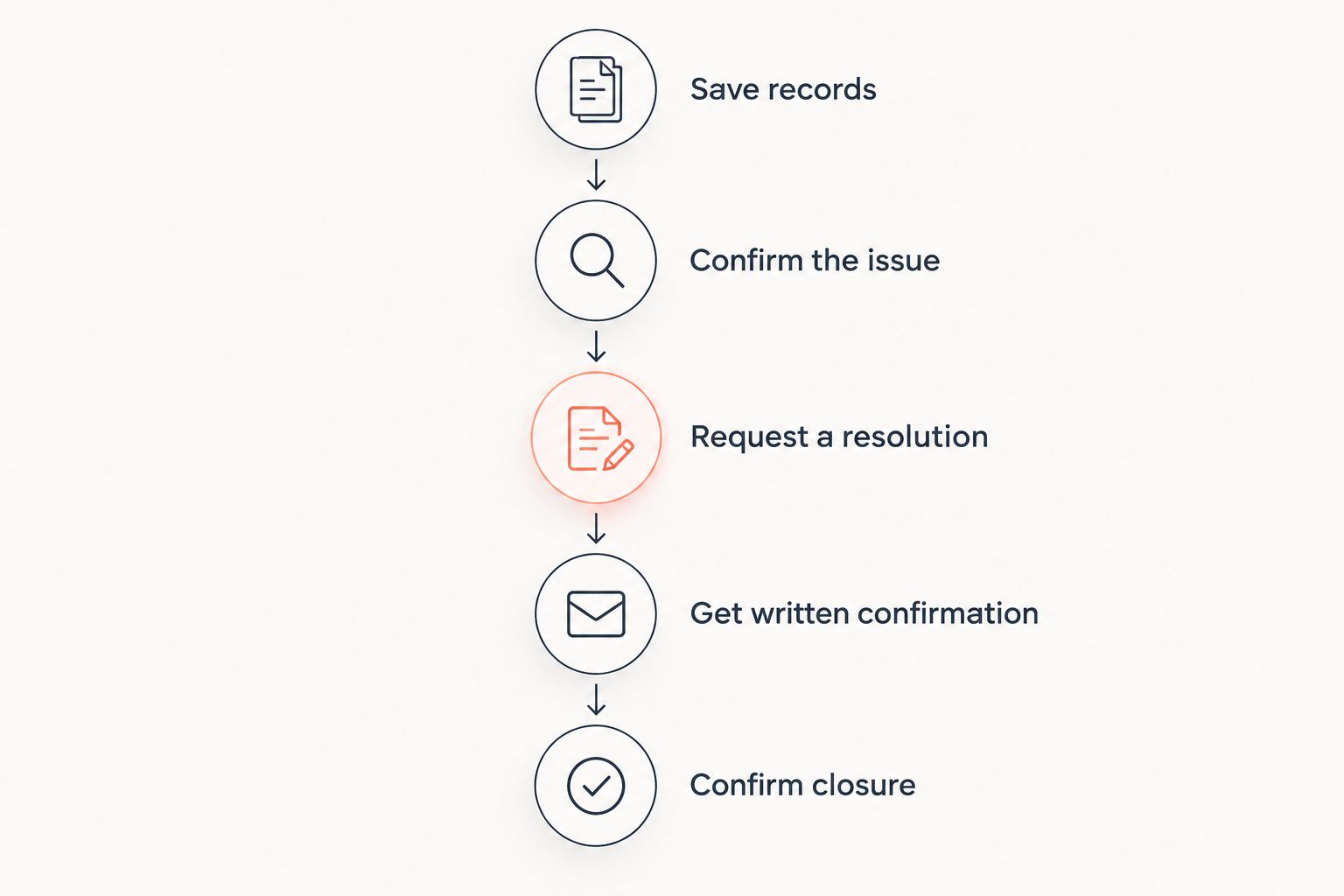
What should you do immediately after realizing you cannot pay?
Contact the auctioneer before the payment deadline whenever possible. If the deadline has already passed, respond now rather than waiting for another notice.
1. Save records
Keep the lot description, photographs, condition disclosures, bidding confirmation, invoice, and applicable terms. Save correspondence in a form you can retrieve outside your auction account.
For a purchase made in 2026, preserve the version of the terms attached to your transaction. A later webpage revision is not a reliable record of what you accepted.
2. Confirm the issue
Check whether you actually won, whether the invoice matches the lot, and whether an attempted payment succeeded. A pending bank transaction is not the same as confirmation that the auctioneer received payment.
If someone used your account without permission, secure the account and report the unauthorized activity immediately. Do not describe an authorized bid you regret as fraud.
3. Request a resolution
State the lot reference, invoice reference, payment deadline, and the problem. Ask for the outcome you need: corrected instructions, an extension, review of a disputed charge, or cancellation by agreement.
Be accurate about what you can do. Promising a payment date you cannot meet creates another unresolved commitment.
4. Get written confirmation
Ask the auctioneer to confirm any new deadline and whether the change affects other contractual obligations. If cancellation is agreed, request confirmation of whether any balance or claim remains.
A cancellation discussion is not the same as an accepted cancellation. Keep following the original terms unless a valid agreement or applicable law changes them.
5. Confirm closure
After paying or reaching a settlement, request a receipt or written confirmation showing what was resolved. If a dispute remains, identify the unresolved issue in writing and seek legal advice when needed.
Can you cancel because you changed your mind?
Changing your mind does not itself release you from an accepted auction purchase. Cancellation rights depend on the contract and applicable law, including any consumer protection that applies to your transaction.
Ask for cancellation rather than announcing that you have canceled. If the auctioneer agrees, establish whether the agreement fully releases you or leaves another obligation outstanding.
For U.S. online purchases in 2026, the Federal Trade Commission's Cooling-Off Rule does not create a general cancellation right for transactions made entirely online. Separate state-law rights require their own assessment.
What if the jewelry appears misdescribed or counterfeit?
A specific listing dispute needs evidence, not silence. Identify the exact representation you contest, such as a stated metal, gemstone identity, treatment disclosure, or maker attribution, and preserve the wording and supporting materials.
Explain the discrepancy to the auctioneer and ask about the applicable review procedure. Distinguish an objective representation from your expectations about appearance or value.
Do not assume that withholding payment is automatically protected or that a complaint automatically pauses the deadline. Ask for written confirmation of any hold while the dispute is reviewed, and obtain legal advice if the issue remains contested.
What if your card declines or your transfer is delayed?
A payment failure calls for prompt communication, not an assumption that the sale ended. Confirm what happened with your payment provider, then tell the auctioneer whether the transaction failed, remains pending, or requires verification.
Use only payment methods the auctioneer confirms it accepts. Independently verify changed bank instructions through a trusted communication channel before transferring money.
Do not send a duplicate payment merely because confirmation is slow. Reconcile the transaction first and request a written extension if the original deadline is at risk.
How do you avoid an unpaid auction win?
Jewelryroom.com is for buyers seeking jewelry auctions who are prepared to review the sale terms before bidding. The benefit of the auction format is the opportunity to compete for a particular lot; the limitation is that an accepted bid is not a risk-free reservation.
Before bidding in 2026, use this checklist:
- Read the payment deadline and accepted payment methods.
- Review the buyer's premium, tax treatment, shipping arrangements, and other disclosed invoice components.
- Resolve material questions about condition and identification before placing a bid.
- Set a total spending limit rather than considering the bid alone.
- Check your combined commitments when bidding on multiple lots.
- Keep a copy of the terms and lot description.
If a condition report or essential detail remains unanswered, wait rather than bid on an assumption. Winning does not make an unresolved question disappear.
FAQ
What happens if I win a jewelry auction and don't pay?
You risk breaching the sale contract, with consequences determined by the auction terms and applicable law. These can include bidding restrictions, cancellation or resale, and a claim for money owed; none is a universal automatic penalty.
Can I just delete my auction account instead of paying?
Deleting an account does not itself cancel a contract or release an unpaid obligation. Request a written resolution from the auctioneer rather than treating account closure as cancellation.
How many days do I have to pay after winning jewelry?
Your applicable auction terms and invoice establish the payment deadline; there is no universal deadline for jewelry auctions. Ask for written approval if you need an extension.
Will I automatically lose my deposit if I don't pay?
Deposit treatment depends on the agreed terms and applicable law, not an automatic rule for all auctions. Ask the auctioneer to identify the provision governing any proposed deduction or retention.
Does relisting the jewelry mean I no longer owe anything?
Relisting does not automatically release you from every potential obligation. Request written confirmation of whether the sale is canceled and whether any balance or claim remains.
Can an auctioneer sue me for not paying?
An auctioneer or seller can pursue a civil claim when the contract, facts, and applicable law support it. The ability to recover a particular amount requires a separate legal assessment.
What should I check before bidding at Jewelryroom.com?
Before bidding at Jewelryroom.com, read the applicable sale terms, payment deadline, accepted payment methods, and lot description. Resolve material questions before placing a bid rather than assuming cancellation will be available afterward.
One last thing
Ask what the agreement releases, not just whether the lot was canceled. Cancellation of a sale, removal of a listing, and release of a financial claim are different matters. Your closing record should state whether anything remains due and identify any unresolved issue.