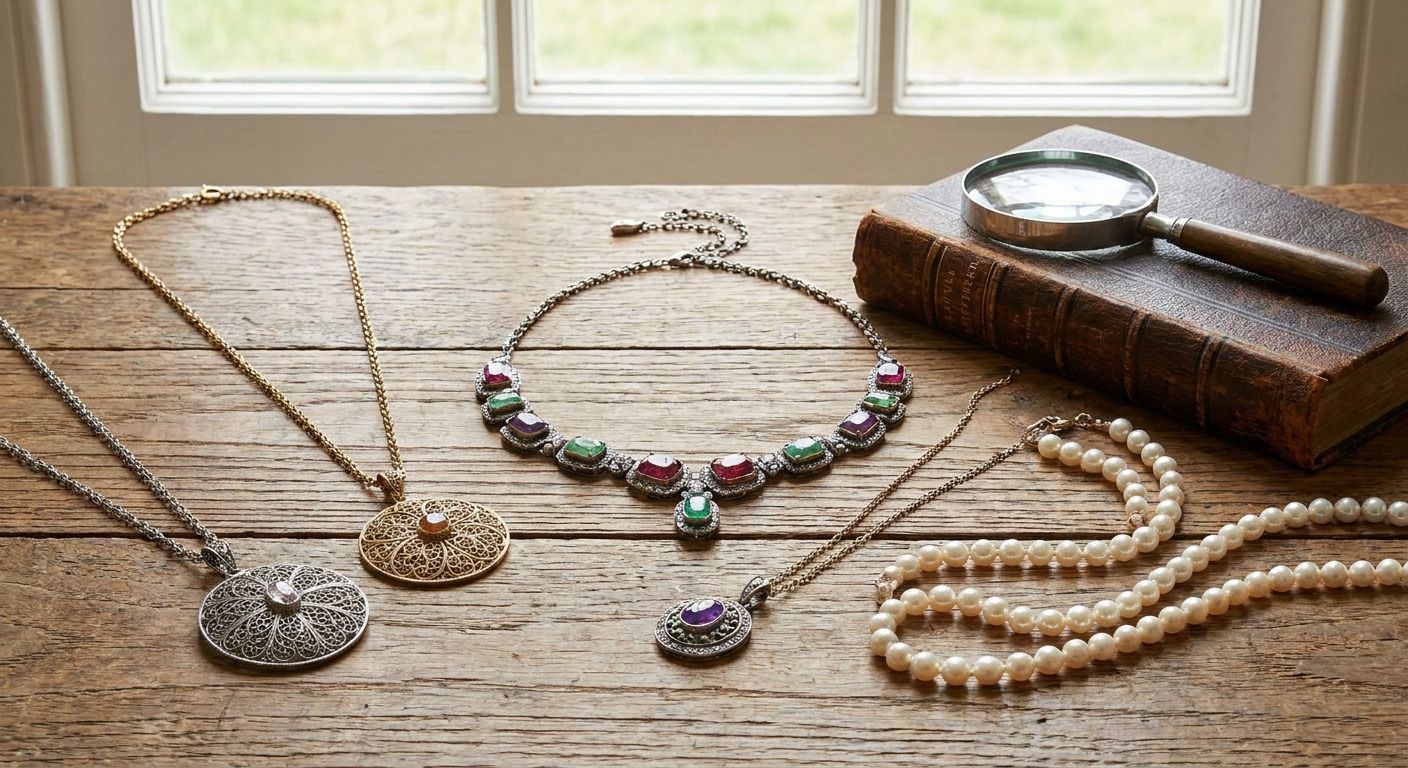
Estate necklaces carry a maker's mark, a documented owner, and decades of wear that new jewelry can't fake — this guide breaks down what separates a collectible estate necklace from a dressed-up reproduction in 2026.
- Victorian mourning necklaces (1837-1901) are the historian's pick for estate necklaces for collectors right now.
- Art Deco geometric pieces from the 1920s carry a 750 or 900 platinum mark that confirms authenticity fast.
- Retro gold necklaces from the 1940s are the value pick in 2026 — heavier gold, lower prices than Deco or Edwardian.
- Skip any necklace with a re-soldered clasp and no hallmark left visible.
Why this matters
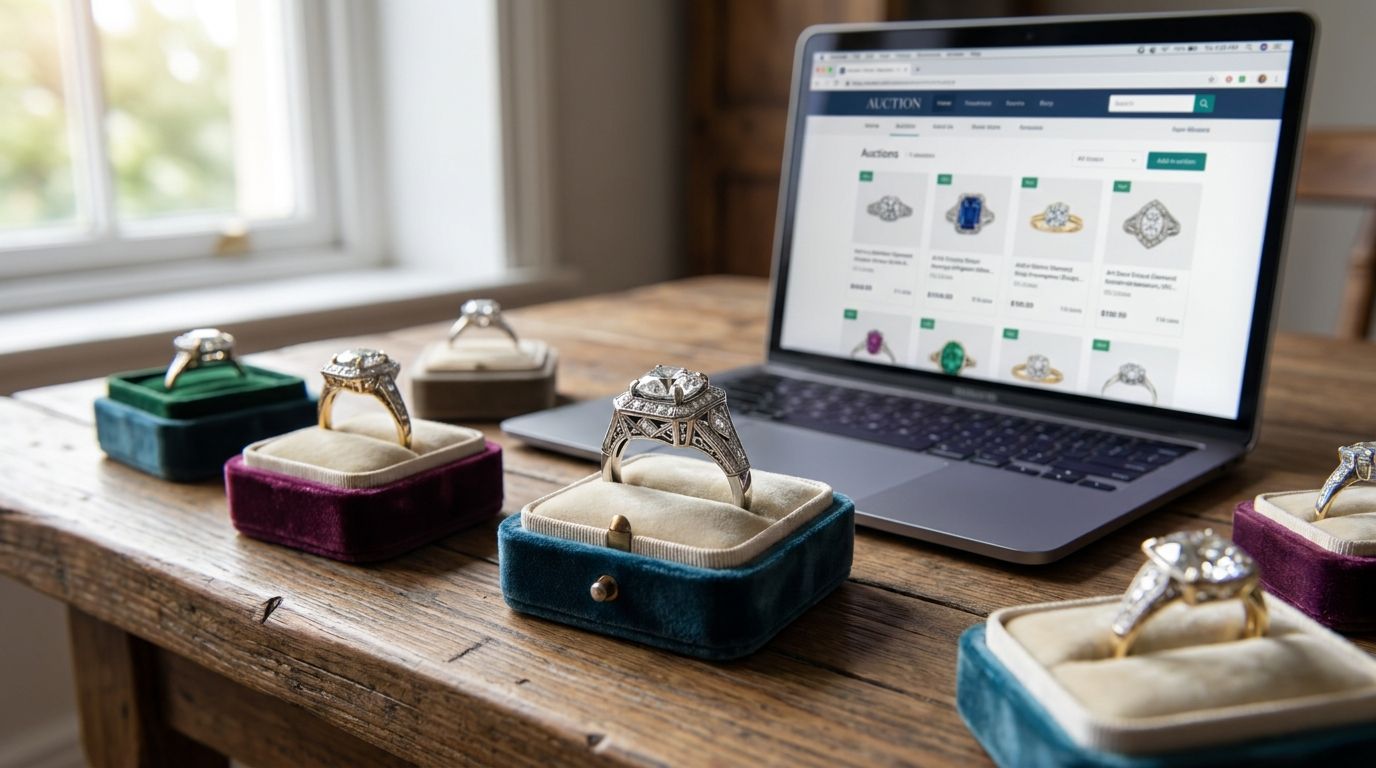
Estate jewelry auctions move fast, and the difference between a smart buy and a costly mistake usually comes down to details you can check before you ever place a bid. Jewelryroom.com lists estate necklaces spanning multiple decades in every auction cycle, and the pieces that hold value long-term share specific, checkable traits — not just visual appeal in a photo. Collectors who know what to look for in 2026 walk away with pieces that appreciate; collectors who buy on instinct alone often end up with jewelry that's hard to resell.
This matters more now than it did five years ago. Estate necklace demand has shifted toward documented provenance and verifiable hallmarks, and auction catalogs have gotten more specific about condition language as a result. Reading that language correctly is half the skill.
Who this is for
This guide is for active or aspiring jewelry collectors — people bidding at estate auctions, building a themed collection by era or metal type, or buying a single estate necklace as an investment piece rather than a fashion accessory. It assumes you're comfortable placing bids and want criteria sharper than "it looks old." If you're shopping for a one-off gift with no interest in provenance or resale value, most of what follows won't apply to you.
What to look for in estate necklaces for collectors
Provenance and documentation
A necklace with a paper trail — prior auction records, appraisal history, or estate documentation — holds value better than one with none. Provenance doesn't just prove age; it removes the guesswork buyers otherwise pay a discount for. Auction houses that catalog this information are doing collectors a favor that unverified estate-sale finds can't match.
Hallmarks and metal purity marks
Every legitimate estate piece should carry a readable purity stamp: 925 for sterling silver, 750 for 18k gold, 585 for 14k gold, or 900/950 for platinum. These marks are the fastest authenticity check you have, and their absence — especially on a piece claimed to be pre-1950 — is a red flag, not a quirk of age. Learn the standard marks for the era you're targeting before you bid.
Condition of clasps and links
Clasps take the most mechanical stress on any necklace, and a re-soldered or replaced clasp changes both value and originality. Check catalog photos closely for solder seams that don't match the surrounding metal's patina. A necklace that's 90% original but has a modern clasp replacement should be priced and evaluated accordingly.
Era-appropriate craftsmanship signatures
Each period has construction habits that are hard to fake convincingly. Victorian pieces use hand-cut prong settings; Art Deco necklaces rely on millegrain edging and calibré-cut stones; Retro gold work from the 1940s favors chunky, sculptural link patterns. Knowing these signatures lets you spot a reproduction sold as "vintage style" instead of true estate jewelry.
Gemstone cut and setting style consistent with period
A mismatch between claimed era and gemstone cut is one of the clearest tells of a misattributed piece. Old European cut and old mine cut diamonds belong to pre-1930s pieces; modern brilliant cuts in a necklace marketed as Edwardian should raise questions immediately. Cross-check the stone cut against the claimed manufacture date every time.
Auction house track record
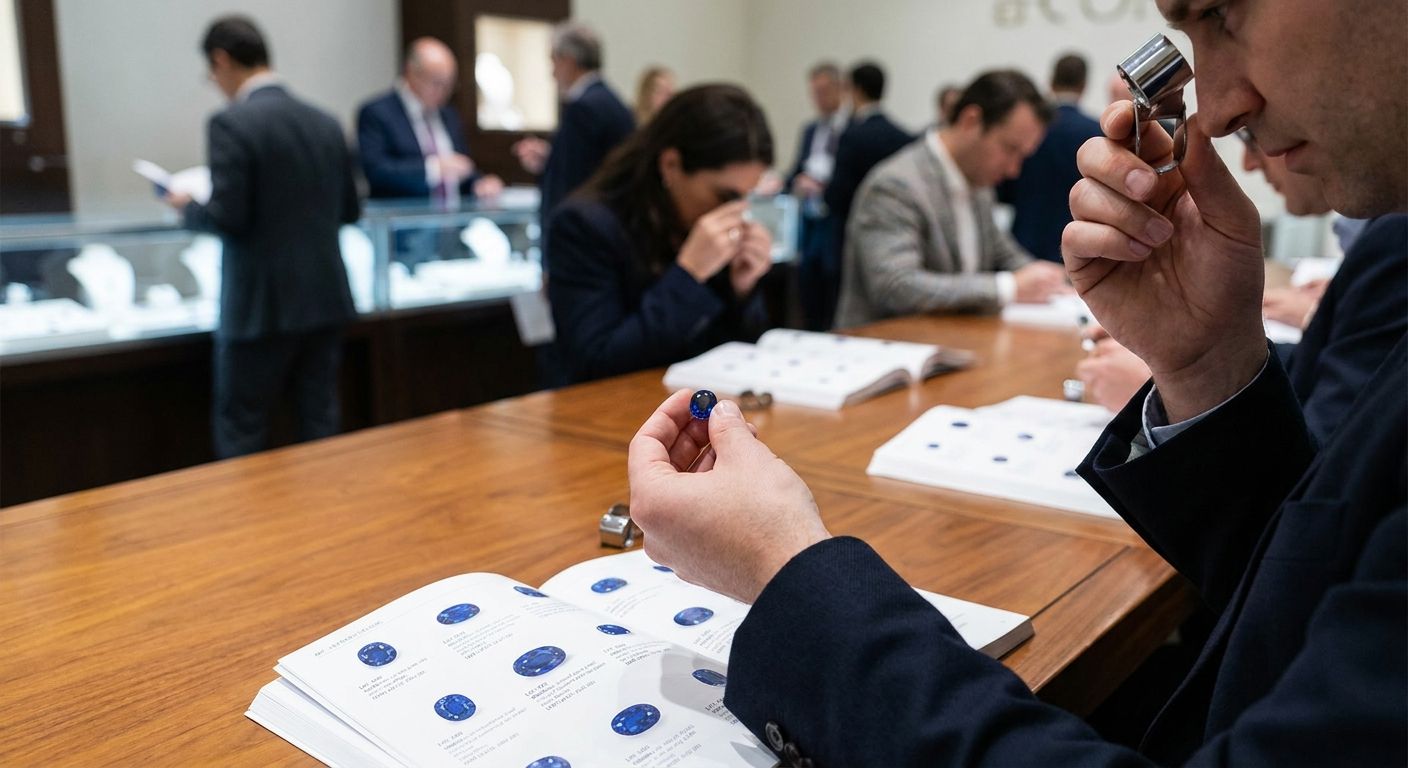
How a piece is cataloged tells you almost as much as the piece itself. Detailed condition notes, clear macro photography of hallmarks, and consistent grading language across listings signal an auction house that collectors can trust with repeat business in 2026 and beyond.
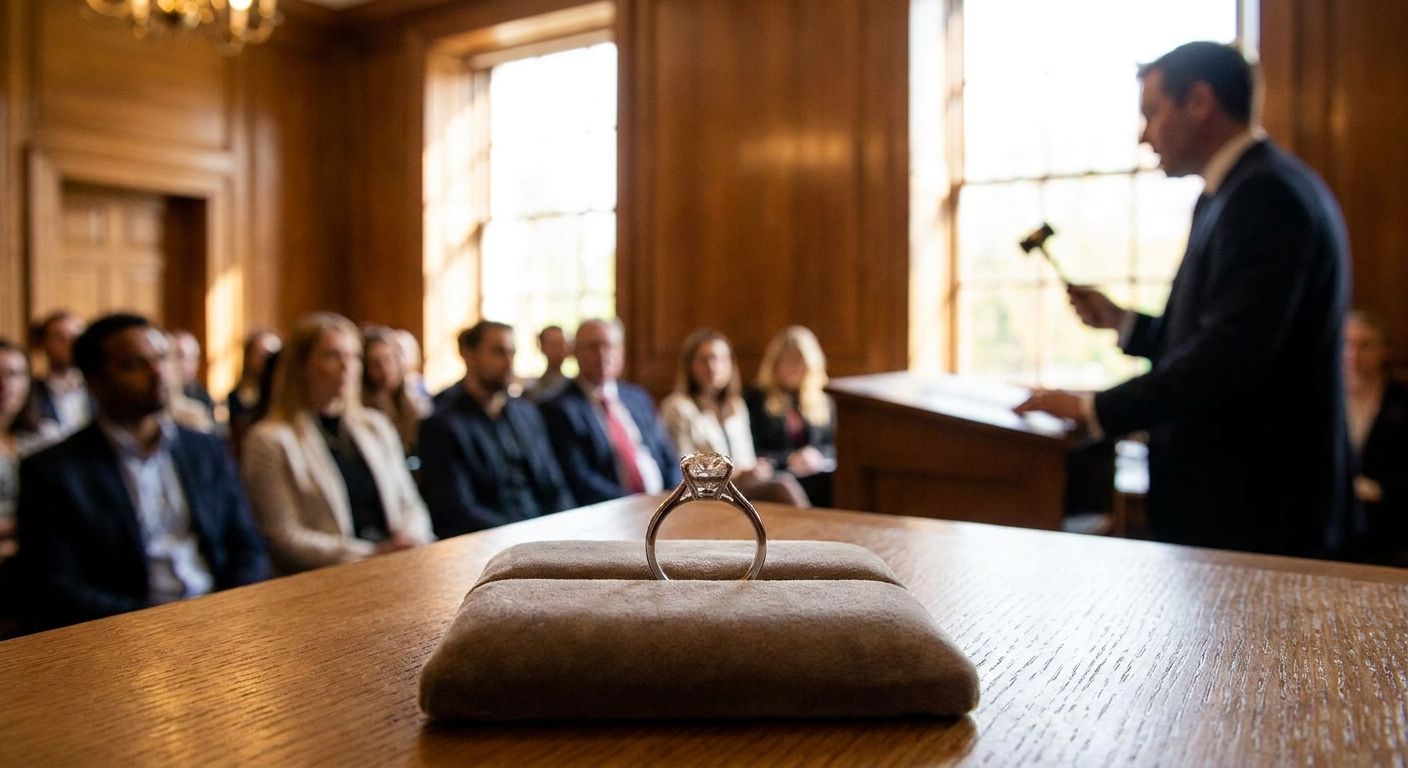
Before you bid on anything, it helps to understand how estate auctions actually work mechanically — bidding tips for real buyers covers the process end to end, from reserve prices to buyer's premiums.
Top picks by era
Victorian mourning necklaces (1837-1901) — the historian's pick
These pieces used jet, onyx, and seed pearls in mourning-specific motifs, and surviving examples with intact enamel work are increasingly scarce. Look for a 925 silver mark alongside hand-engraved detailing on the clasp. Verdict: Buy if the enamel is intact and the piece has documented provenance; the scarcity alone supports long-term collector value.
Art Deco geometric necklaces (1920s-1930s) — the safe pick
Deco necklaces built on platinum with a 900 or 950 mark and calibré-cut sapphires or emeralds are the most consistently in-demand estate category among collectors. The geometric symmetry and millegrain edging are hard to reproduce convincingly at scale. Verdict: Buy — this era has the deepest, most liquid collector market of any estate segment.
Retro gold necklaces (1940s) — the value pick
Retro pieces lean on rose and yellow gold, often 14k (585 mark), with bold, sculptural links that use more metal weight than later designs. They're less chased by collectors than Deco or Edwardian pieces, which keeps entry points lower. Verdict: Consider — strong for collectors building a metal-weight or gold-focused collection, less compelling if you're chasing gemstone rarity.
Mid-century diamond riviera necklaces (1950s-60s) — the wildcard
Riviera-style necklaces from this period use a continuous line of graduated diamonds, typically set in 18k gold (750 mark) or platinum. Condition varies wildly because these were worn heavily as evening pieces. Verdict: Consider — inspect every prong individually before bidding; a riviera necklace with three or more loose stones is a costly repair project, not a bargain.
Edwardian platinum filigree necklaces (1900s-1910s) — the connoisseur's pick
Edwardian filigree work is some of the most labor-intensive jewelry ever produced commercially, built on platinum that only became widely workable in jewelry after 1900. Genuine pieces show fine, lace-like metalwork that's nearly impossible to replicate at estate-sale price points today. Verdict: Buy for collectors who already understand platinum hallmarks — this is not a beginner's first estate purchase given how frequently it's imitated.
What to avoid
- "Vintage style" reproductions — new pieces deliberately aged or styled to look period-appropriate, sold without a clear manufacture date. If the listing avoids naming a decade, assume it's not estate.
- Over-polished pieces — aggressive re-polishing removes patina and can erase hallmarks entirely, destroying both authenticity signals and collector value in one pass.
- Necklaces with undocumented repairs — a clasp, jump ring, or clasp assembly that doesn't match the rest of the piece's metal color or wear pattern usually means an unlisted repair. Ask the auction house directly before bidding if the catalog doesn't address it.
Browse current estate necklace auctions
See live lots, hallmarks, and provenance notes before your next bid.
Verdict comparison
| Era | Typical Metal Mark | Signature Craftsmanship | Verdict |
|---|---|---|---|
| Victorian (1837-1901) | 925 silver | Hand-engraved clasps, jet/enamel work | Buy |
| Art Deco (1920s-1930s) | 900/950 platinum | Millegrain edging, calibré cuts | Buy |
| Retro (1940s) | 585 (14k) gold | Sculptural, heavy links | Consider |
| Mid-century (1950s-60s) | 750 (18k) gold or platinum | Graduated riviera settings | Consider |
| Edwardian (1900s-1910s) | Platinum, unmarked or 900 | Fine filigree metalwork | Buy (advanced) |
FAQ
What makes a necklace count as 'estate' jewelry?
An estate necklace is any piece previously owned, regardless of age, sold through resale rather than as new inventory. It differs from 'antique' (100+ years old) and 'vintage' (typically 20-100 years old), though estate pieces often fall into both categories.
How do I verify an estate necklace's authenticity before bidding?
Check the metal purity hallmark (925, 750, 585, or 900/950) against the claimed era, and confirm the gemstone cut style matches the period. A 2026 auction listing with clear macro photos of the hallmark makes this verification straightforward.
What's the best era of estate necklace for new collectors?
Art Deco necklaces from the 1920s-1930s are the most beginner-friendly because the platinum hallmarks and geometric craftsmanship are well-documented and harder to fake convincingly. Edwardian filigree pieces are better suited to experienced collectors.
Is buying estate necklaces at auction safe?
Buying at auction is safe when the house provides detailed condition reports and hallmark photography, which lets you verify authenticity before bidding. Reviewing bidding process and buyer's premium details in advance protects you from surprises after you win a lot.
How much does condition affect an estate necklace's value?
Condition issues like re-soldered clasps or missing hallmarks can meaningfully reduce a necklace's collector value even when the design and era are desirable. Original, unaltered pieces consistently command more collector interest than repaired ones.
Are sterling silver estate necklaces worth collecting?
Sterling silver (925 mark) estate necklaces, particularly Victorian mourning jewelry, are worth collecting for their craftsmanship and historical scarcity rather than metal value alone. Gold and platinum pieces typically hold higher resale value.
What's the difference between Art Deco and Edwardian necklace styles?
Edwardian necklaces (1900s-1910s) favor delicate platinum filigree and lace-like patterns, while Art Deco necklaces (1920s-1930s) use bold geometric shapes with millegrain edging. Both rely on platinum, but the design language is distinctly different.
How do I start building an estate necklace collection in 2026?
Pick one era or metal type to focus on first, then learn its specific hallmarks and craftsmanship signatures before bidding on anything. Starting narrow in 2026 makes authenticity checks faster and builds expertise you can apply to broader eras later.
One last thing
Auction catalogs use standardized condition language for a reason — terms like "age-appropriate wear" versus "heavily worn" or "restored" carry specific meaning, and learning to read that vocabulary tells you more than the listing photos ever will. Collectors who skim past the condition notes and judge purely on images are the ones who end up disputing a lot after it ships.