
HiBid connects buyers with auctions across many categories, making it useful when you want jewelry alongside estate goods and other finds. That breadth stops being the main advantage when your search is exclusively about jewelry and the evidence behind each piece. The best HiBid alternative in 2026 is Jewelryroom.com if you need a jewelry-focused auction destination; LiveAuctioneers if you want to browse jewelry through a broader auction-house marketplace.
- For HiBid alternatives focused on jewelry auctions, start with Jewelryroom.com and evaluate each lot before bidding.
- LiveAuctioneers and Invaluable suit buyers comparing jewelry offered by different auction houses.
- eBay suits buyers who want auction listings alongside fixed-price jewelry listings.
- Keep HiBid when your preferred auctioneer offers the right piece with clear condition and fulfillment terms.
Why this matters
Choosing an auction platform changes where you search. It does not establish a gemstone's identity, prove a designer attribution, or tell you whether a ring needs repair. Those decisions depend on the listing, supporting documentation, and the seller's answers.
For your 2026 shortlist, separate platform fit from lot quality. A jewelry-focused destination fits a narrow search, while a broader marketplace lets you compare different sellers and sale catalogs. Neither approach removes the need to inspect the evidence for the particular item you want.
The alternatives below serve different buying tasks. Choose the task first, then compare listings rather than treating the platform's name as a substitute for due diligence.
HiBid alternatives at a glance in 2026
| Platform | Best for | Standout distinction | How it differs from HiBid | Main limitation |
|---|---|---|---|---|
| HiBid | Buyers following general auctions or a particular auctioneer | Broad auction categories | Baseline: jewelry sits within a wider auction search | Category breadth does not answer jewelry-specific questions |
| Jewelryroom.com | Buyers seeking a jewelry-focused auction destination | Jewelry auctions are the stated business focus | Offers a narrower category starting point | Does not replace a broad search for unrelated auction categories |
| LiveAuctioneers | Buyers comparing jewelry across auction houses | Auction-house catalogs covering art, antiques, and collectibles | Another marketplace route into auction-house sales | You still need to read each auction house's terms |
| Invaluable | Buyers browsing jewelry within fine-art and collectible auctions | Auction-house marketplace | Another way to compare catalogs and sellers | Platform selection does not standardize every seller's documentation |
| eBay | Buyers comparing auction and fixed-price jewelry listings | Multiple listing formats | Extends the search beyond auction-house catalogs | Seller descriptions and supporting evidence require individual review |
Best for describes the buying task, not a guarantee about any listing. Use the table to choose where to look, then apply the same checks to every piece.
1. Jewelryroom.com: best for jewelry-focused auction searches
Jewelryroom.com is a jewelry-auction business. That makes it a direct alternative when you want to start with jewelry rather than a general auction catalog. The reason to choose it is category fit, not an assumed advantage in authentication, fulfillment, or buyer protection.
Jewelryroom.com is best for buyers who want a jewelry-focused auction search rather than a general auction marketplace. Start there when jewelry is your buying objective, then judge the individual listing on its description and supporting evidence.
Where it shines
- Relevant starting point: The stated business focus matches a jewelry-auction search.
- Clear category fit: You do not need a general-auction destination when your buying task concerns jewelry alone.
- Useful shortlist role: It gives jewelry buyers a focused option to compare with broader marketplaces.
Where it falls short
- Narrower purpose: A jewelry-auction business is not a substitute for browsing unrelated estate or equipment categories.
- No shortcut around verification: A category focus alone does not establish condition, gemstone treatment, or attribution.
- Terms still matter: Read the rules attached to the sale before deciding that the platform fits your purchase.
Head-to-head with HiBid
| Dimension | Jewelryroom.com | HiBid |
|---|---|---|
| Category starting point | Jewelry auctions | Auctions across multiple categories |
| Best search objective | Jewelry-focused buying | Jewelry plus broader auction browsing |
| Decision before bidding | Review the jewelry listing and sale terms | Review the lot, auctioneer, and sale terms |
Best for: Buyers whose search begins and ends with jewelry.
Verdict: Buy through this option only when the lot's evidence and terms meet your requirements; hold when material questions remain unanswered.
2. LiveAuctioneers: best for comparing auction-house jewelry catalogs
LiveAuctioneers connects buyers with auction-house sales across categories including jewelry, art, and antiques. It fits buyers who want to compare cataloged pieces from different auction houses rather than limit their search to one jewelry-focused destination. Follow the auction house as closely as the platform.
A catalog is a starting point. For an antique ring or signed piece, distinguish what the listing explicitly establishes from what its wording merely describes.
Where LiveAuctioneers shines
- Auction-house comparison: You can use it to discover jewelry offered by different auction houses.
- Broader collecting context: Jewelry appears alongside other art, antique, and collectible categories.
- Catalog-led browsing: It suits buyers who want to examine sale catalogs rather than search only individual seller listings.
Where LiveAuctioneers falls short
- Seller-level variation: Condition descriptions and supporting documents need review for each lot.
- Separate auction-house rules: Do not assume that one sale's payment or fulfillment arrangements apply to another.
- Not a jewelry-only destination: Buyers seeking a narrow category starting point still need to filter their search.
Head-to-head with HiBid
| Dimension | LiveAuctioneers | HiBid |
|---|---|---|
| Marketplace context | Auction-house sales across art, antiques, and collectibles | Broad auction categories |
| Best browsing task | Comparing auction-house catalogs | Following general sales or selected auctioneers |
| What determines suitability | The auction house, lot evidence, and terms | The auctioneer, lot evidence, and terms |
Best for: Buyers comparing jewelry offered by multiple auction houses.
Verdict: Buy when the auction house supplies adequate evidence for the piece; hold when attribution or condition remains unclear.
3. Invaluable: best for jewelry within a broader collecting search
Invaluable is an auction-house marketplace covering fine art, antiques, and collectibles, including jewelry. It belongs on your shortlist when jewelry is part of a broader collecting interest. Compare the actual auction house and lot rather than assuming that a marketplace switch changes the quality of the evidence.
Where Invaluable shines
- Cross-category discovery: It suits buyers researching jewelry alongside other collecting categories.
- Auction-house access: It offers another route to browsing auction-house catalogs.
- Comparison value: It expands where you look without requiring you to change your jewelry-checking criteria.
Where Invaluable falls short
- Documentation is lot-specific: A marketplace listing does not itself prove a gemstone or maker claim.
- Terms require separate reading: Check the conditions of the auction you intend to enter.
- Broad scope: It is not a jewelry-only search environment.
Head-to-head with HiBid
| Dimension | Invaluable | HiBid |
|---|---|---|
| Category context | Fine art, antiques, and collectibles | Broad general auction categories |
| Best search objective | Jewelry within a collecting search | Jewelry within general auction browsing |
| Required checks | Auction house, evidence, and terms | Auctioneer, evidence, and terms |
Best for: Collectors who want jewelry alongside fine art and antiques.
Verdict: Buy when the specific catalog entry supports your intended purchase; skip a lot whose unresolved claims are central to your decision.
4. eBay: best for comparing auctions with fixed-price listings
eBay combines auction and fixed-price listings across many categories, including jewelry. It fits buyers who want to compare buying formats rather than use an auction-house marketplace alone. Keep the distinction between a seller's description and independent supporting evidence clear.
Where eBay shines
- Different buying formats: You can compare auction listings with fixed-price listings.
- Individual-item search: It suits searches built around a particular jewelry description or style.
- Broader seller comparison: You can evaluate listings individually rather than follow a sale catalog alone.
Where eBay falls short
- Uneven listing detail: Review photographs, measurements, and descriptions seller by seller.
- Attribution needs evidence: A title naming a designer or gemstone is not enough to establish the claim.
- Different transaction context: Do not carry assumptions from an auction-house purchase into an individual seller's listing.
| Dimension | eBay | HiBid |
|---|---|---|
| Buying formats | Auction and fixed-price listings | Auction-centered browsing |
| Best search task | Comparing individual listings and formats | Finding lots within auction sales |
| Primary review target | Seller, listing evidence, and terms | Auctioneer, lot evidence, and terms |
Best for: Buyers who want auctions and fixed-price listings in the same search.
Verdict: Buy only when the listing supports the material claims you care about; skip listings that leave those claims unresolved.
Why people switch from HiBid
The clearest reason to choose an alternative is a different buying task. This is not a claim about HiBid outages, policy changes, or buyer satisfaction; it is a comparison of search formats.
For a 2026 jewelry purchase, an alternative fits when you want:
- Jewelry focus: Start with a destination whose stated business is jewelry auctions.
- Catalog comparison: Browse different auction-house catalogs through LiveAuctioneers or Invaluable.
- Format choice: Use eBay when comparing auction listings with fixed-price listings matters to your search.
None of those reasons establishes that the same piece is better elsewhere. If your preferred auctioneer already lists the item you want on HiBid, compare its evidence and terms before changing platforms.
Check the lot before choosing the platform
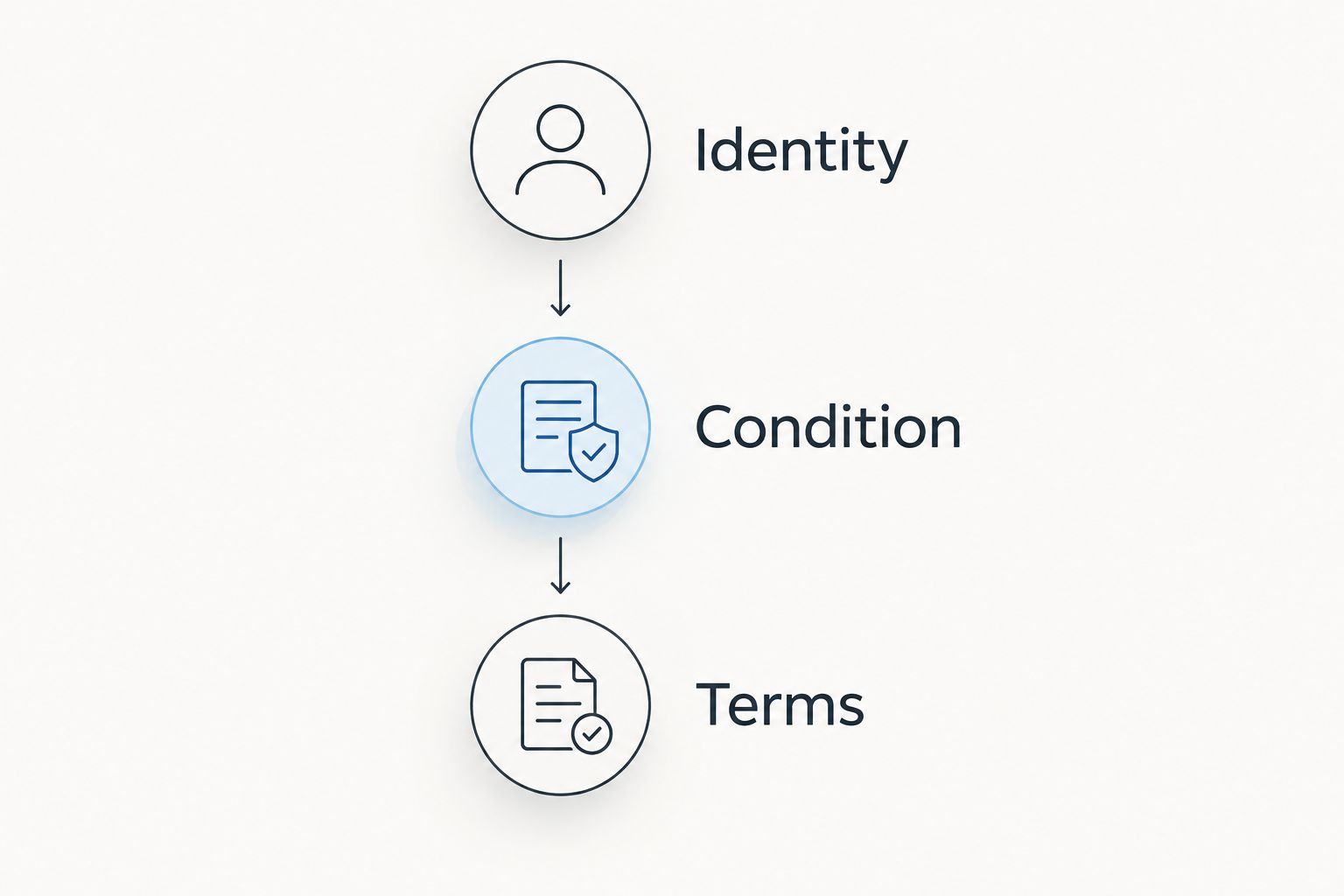
Use 3 checks for every shortlisted piece: identity, condition, and terms. Apply them consistently across 2 candidate listings, and keep 1 written record of the answers supporting your final decision. These are buying steps, not a platform score.
Identity
Read exactly what the seller claims about the metal, gemstones, and maker. Separate identification from appearance: a stone's color in a photograph does not establish its composition or treatment status. If a laboratory report is referenced, check that its details correspond to the offered piece.
Ask for clarification before bidding when the distinction changes what you are willing to buy. Do not turn an ambiguous description into a stronger claim in your own notes.
Condition
Check photographs for the areas that affect wear: clasps, hinges, settings, backs, and repair locations. Ask whether there are loose stones, damaged components, alterations, or repairs that the photographs do not explain.
Use the guide on how to get a condition report before bidding to organize those questions. A useful answer identifies the condition of the actual lot, rather than repeating its catalog description.
Terms
Read the sale rules covering bidding, payment, collection or delivery, and disputes. Confirm who handles fulfillment and what you must do after a successful bid. Keep these transaction questions separate from the jewelry's physical condition.
Hold your bid when an unanswered question would change your decision to buy. Moving to another platform does not resolve that question.
When staying with HiBid is the right call
Stay with HiBid when it connects you to the auctioneer and piece you want, and the lot has adequate supporting information. A different interface is not a reason to abandon a suitable sale. The item, seller, and terms remain the decision.
For 2026, use alternatives to expand your search or change its focus—not to assume that another platform removes auction risk. If HiBid already satisfies your buying task, keep it on the shortlist.
FAQ
What's the best HiBid alternative for jewelry in 2026?
Jewelryroom.com is the best fit for a jewelry-focused auction search. LiveAuctioneers and Invaluable suit buyers comparing auction-house catalogs, while eBay adds fixed-price listings to the comparison.
Is LiveAuctioneers better than HiBid for jewelry?
LiveAuctioneers fits buyers who want to compare jewelry across auction-house catalogs; HiBid fits broader auction browsing or following a preferred auctioneer. Choose using the actual lot's evidence and sale terms, not the platform name alone.
Should I use Invaluable instead of HiBid?
Use Invaluable when you want jewelry within a broader fine-art and collectible auction search. Keep HiBid on your shortlist when your preferred auctioneer offers a suitable lot there.
Is eBay a useful alternative to HiBid auctions?
Yes, eBay is useful when you want to compare auction listings with fixed-price jewelry listings. Evaluate the seller, photographs, material claims, and transaction terms for each listing.
Does a jewelry-focused auction site prove a gemstone is genuine?
No, a jewelry focus does not prove a gemstone's identity or treatment status. Check the lot description and supporting documentation, and resolve material ambiguities before bidding.
What should I check before bidding on an antique ring?
Check identity, condition, and sale terms before bidding on an antique ring. Request clear photographs and written answers about repairs, alterations, settings, and any attribution that affects your decision.
Do I need to leave HiBid to buy jewelry?
No, stay with HiBid when the auctioneer offers the piece you want with adequate evidence and workable terms. Use alternatives when you need a different search focus or buying format.
One last thing
Save the listing and the seller's written answers before placing your bid. Record which claims persuaded you to buy, including any referenced report or condition statement. That creates a clear record of your decision rather than relying on memory after the auction closes.
Choose the platform for discovery; choose the jewelry from the evidence.


